
Digital Signage for Business & Corporate Applications
Strategic Communication Infrastructure for Modern Corporate Environments
Introduction to Digital Signage for Business & Corporate Applications
Digital signage for business and corporate applications gives organisations direct control over workplace communication, brand presentation and operational messaging. For example, instead of relying on email overload or printed notices, digital signage allows teams to publish targeted information across offices, headquarters and shared workspaces.
This capability is important because corporate environments move quickly. Leadership announcements also change, performance metrics update and visitor flows shift throughout the day. Therefore, it is important that communication tools support clarity and speed.
Executives, facilities managers, HR teams, IT departments and marketing leaders also use digital signage to align employees, inform visitors and reinforce corporate identity. Additionally, organisations also aim to improve productivity, reduce internal friction and strengthen culture.
In sum, digital signage creates visible, central communication touch points across the workplace that benefit the flow and productivity of corporate environments.
What Problems Our Digital Displays Solve for Business & Corporate Applications
Corporate communication often suffers from fragmentation. For example, employees miss important updates when email volumes remain high. As a result, engagement drops and alignment weakens.
Furthermore, leadership messages also lose visibility. Without the physical reinforcement generated by digital displays, internal campaigns run the risk of fading quickly.
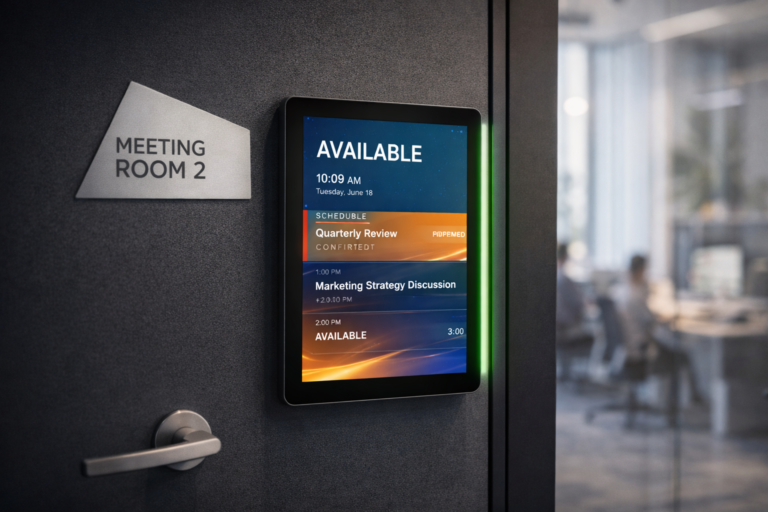
Meeting room conflicts also waste time. A common corporate issue is having teams double book spaces or search for available rooms. E-paper displays are a great solution to this issue. this is because they can display schedules or if a room is free or occupied.
Another issue facing business and corporate environments is having visitor experiences feel inconsistent. One reason for this is having reception teams rely on too much on manual processes and static signage. Indoor commercial displays are a great solution to displaying FAQs and the most up to date information for visitors.
Digital signage addresses these challenges directly. For example, HR teams use digital signage to promote culture initiatives visibly. Facilities managers also use them to display room availability in real time. Furthermore, front of house staff also use them to guide visitors efficiently. As a result, organisations reduce friction and improve daily workflow.
Digital Display Technologies For Business & Corporate Applications
Teams deploy commercial grade LCD panels and fine pitch LED displays for reception and collaboration zones. In addition, organisations select screen sizes based on viewing distance and ambient light.
IT departments also configure content management systems that allow role based access control. Therefore, HR, marketing, and facilities teams are able to update content without compromising governance.
In addition to this, organisations integrate signage platforms with calendar systems, room booking software and internal data dashboards. As a result, screens display live meeting schedules and performance metrics.
Finally, network teams use digital signage technology to establish secure connections across corporate LAN or cloud environments. As a result, administrators implement remote monitoring tools to ensure uptime and also security compliance.
Typical Deployment Formats in Digital Signage for Business & Corporate Applications Environments
Typical digital signage solutions for business & corporate applications include:
- Reception video walls
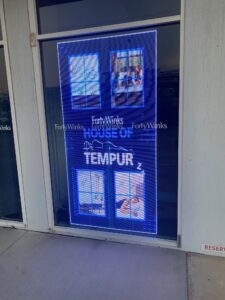
- Lobby LED feature walls
- Wall mounted office communication screens
- Meeting room booking panels
- Executive boardroom displays
- Open office KPI dashboards
- Elevator lobby information screens
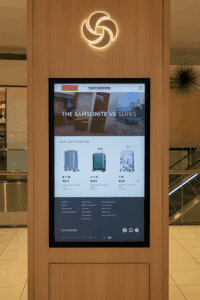
- Freestanding digital totems
- Interactive touch kiosks
Organisations select formats based on space layout, audience size and content purpose. For example, reception areas often require high impact visual displays. Meanwhile, meeting rooms prioritise compact scheduling panels. Teams also consider mounting constraints, power access as well as workflow integration before finalising deployment.
Where Retail Digital Displays Are Used
Digital displays are used for Business & Corporate Applications across the following touch points:
- Corporate headquarters
- regional offices
- reception areas
- lobbies
- meeting rooms
- boardrooms
- open plan offices
- manufacturing offices
- call centres
- training rooms
- staff break areas
- elevators
- innovation hubs
shared workspaces.
Usage varies by zone. For example, reception displays focus on brand storytelling and visitor guidance. Meanwhile, open office screens highlight KPIs and internal announcements. Meeting rooms integrate scheduling displays to reduce booking conflicts. Therefore, organisations tailor deployment based on workflow and audience.
Business Impact, ROI and Measurable Outcomes
Digital signage for business and corporate applications delivers measurable operational and financial value.
Operationally, organisations reduce printing costs and limit repetitive internal emails. Furthermore, employees access information quickly without searching multiple systems.
Productivity also improves when teams see live dashboards displaying sales performance, service metrics or project milestones. This also enables leaders to reinforce accountability and transparency as a result.
Corporate environments also benefit from stronger visitor engagement. Branded displays enhance first impressions, which supports client trust and partnership development.
Key performance indicators include employee engagement scores, meeting room utilisation rates, internal campaign participation, visitor processing time and information recall rates.
Over time, organisations refine messaging based on measurable outcomes, which strengthens return on investment.
Internal Communications and Employee Engagement
Organisations communicate strategy shifts, HR initiatives and recognition programmes daily. However, email alone cannot sustain visibility.
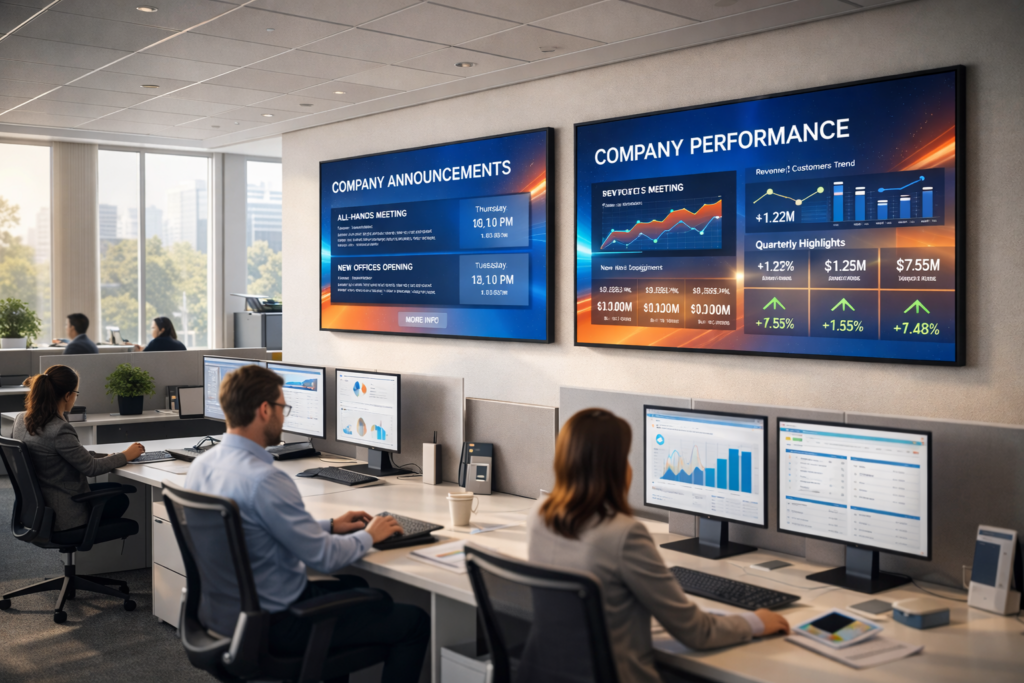
Communication teams schedule announcements across shared office screens. As a result, employees encounter key messages during natural movement throughout the day. Engagement also increases because information remains visible and consistent.
Meeting Room Booking and Space Management
Corporate offices often struggle with space utilisation. Therefore, facilities managers deploy room scheduling displays outside meeting rooms.
Employees check availability instantly and book spaces directly. Consequently, organisations reduce double bookings and also improve workspace efficiency.
Performance Dashboards and KPI Displays
Leadership teams track performance metrics closely. However, reports stored in dashboards often remain unseen.
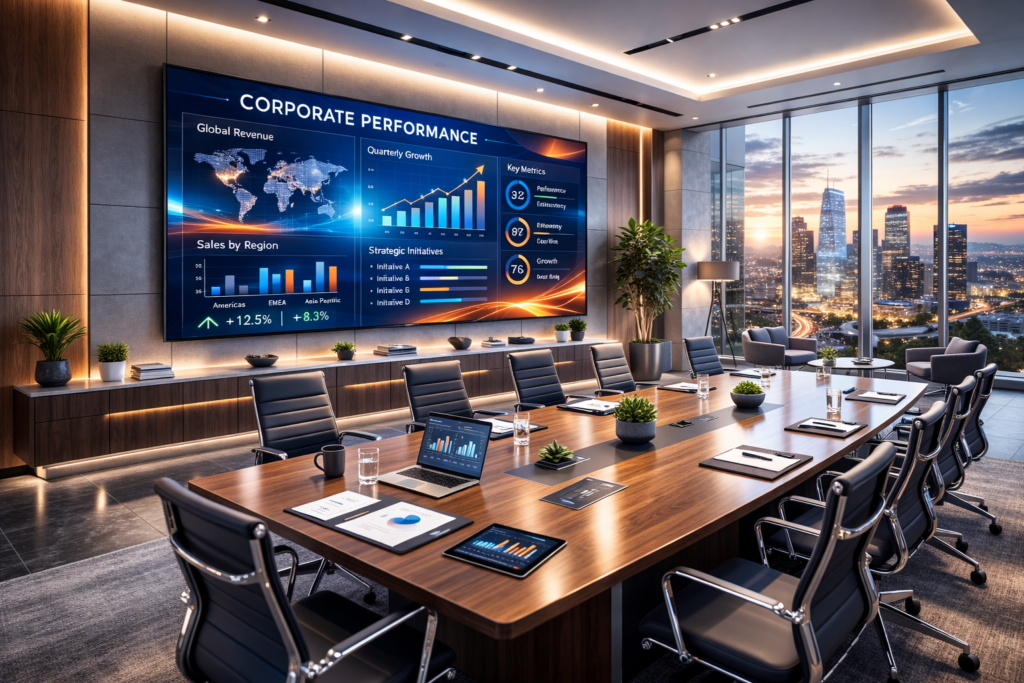
Digital signage displays display live KPIs on sales floors, operations hubs and executive areas. This visibility reinforces accountability and also motivates teams to meet targets.
Visitor Welcome and Brand Storytelling
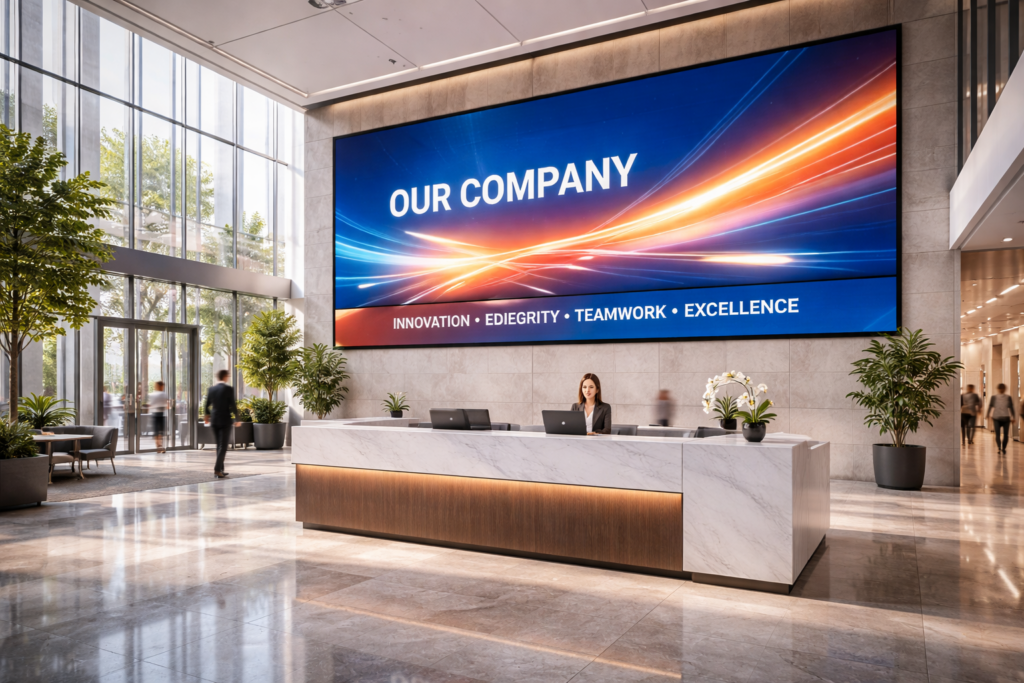
Reception areas shape first impressions. Marketing teams display brand narratives, product highlights and corporate values on lobby screens.
Visitors experience a structured introduction to the organisation before meetings begin. As a result, businesses strengthen brand perception and professionalism. Portable displays and standalone kiosks are perfect examples of technology used for these applications.
Key Considerations When Choosing This Solution
Environment suitability remains essential. Offices vary in lighting, wall space and security requirements.
Workflow integration influences adoption. Organisations should align signage control with existing communication channels and IT governance policies.
Content governance also matters. Role based permissions prevent unauthorised updates while maintaining flexibility.
Reliability and security remain critical in corporate networks. Therefore, IT teams evaluate encryption standards and system monitoring capabilities.
Finally, scalability ensures long term adaptability. Businesses often expand locations or restructure teams. A flexible architecture supports growth without major reinvestment.
How Organisations Use These Solutions Effectively
Successful organisations begin with a communication strategy. They identify what employees need to know daily, weekly and monthly. Consequently, content remains relevant rather than decorative.
They also assign ownership clearly. Marketing controls brand messaging, HR manages employee initiatives and facilities oversee space management displays. This structure prevents duplication and confusion.
Organisations measure engagement regularly. They review meeting room utilisation data, employee feedback and campaign participation rates. Therefore, they adjust content based on performance.
Common mistakes include overloading screens with text, neglecting updates and failing to align content with business goals. However, disciplined governance avoids these pitfalls.
Why Choose MetroSpec's Digital Display Solutions
MetroSpec supports business and corporate clients with application focused digital signage strategies aligned to operational and communication objectives.
The team evaluates organisational structure, IT infrastructure and workplace design before recommending system architecture. As a result, businesses deploy scalable solutions that strengthen culture, improve efficiency and maintain governance control.

Frequently Asked Questions
How much does digital signage for business and corporate applications cost?
Costs depend on screen size, network scale and integration requirements. However, organisations should evaluate long term productivity gains and reduced print costs alongside hardware investment.
Can digital signage integrate with Microsoft 365 or Google Workspace calendars?
Yes. Most enterprise platforms integrate with common calendar systems to display live meeting schedules.
Is digital signage secure for corporate networks?
IT teams configure secure connections, encryption protocols and role based access controls to protect corporate data.
How scalable are these systems across multiple office locations?
Cloud based platforms allow central oversight across global offices. Therefore, organisations maintain consistent messaging while scaling.
Who manages content internally?
Typically, marketing, HR and facilities teams share responsibility under defined governance rules. Clear ownership ensures consistent updates.
Request a Digital Display Consultation
Digital signage for business and corporate applications transforms internal communication into a visible, measurable and strategic function.
When organisations align technology with governance, workflow and culture goals, they create communication ecosystems that strengthen productivity and brand identity.
With careful planning and structured management, corporate digital signage becomes a long term operational asset rather than a simple display network.