Indoor Digital Signage
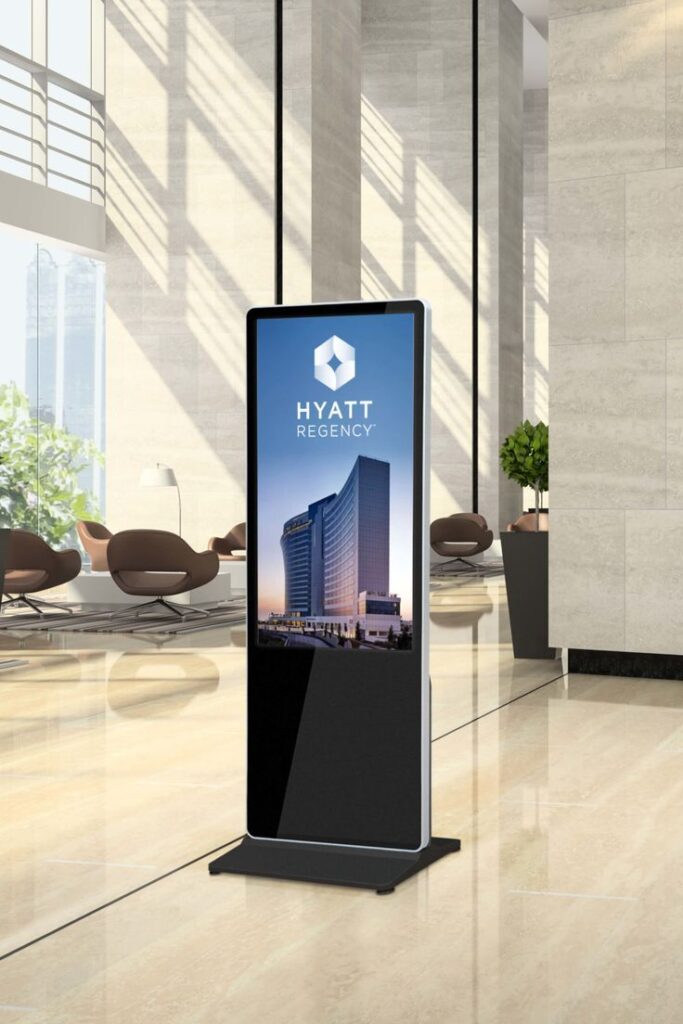
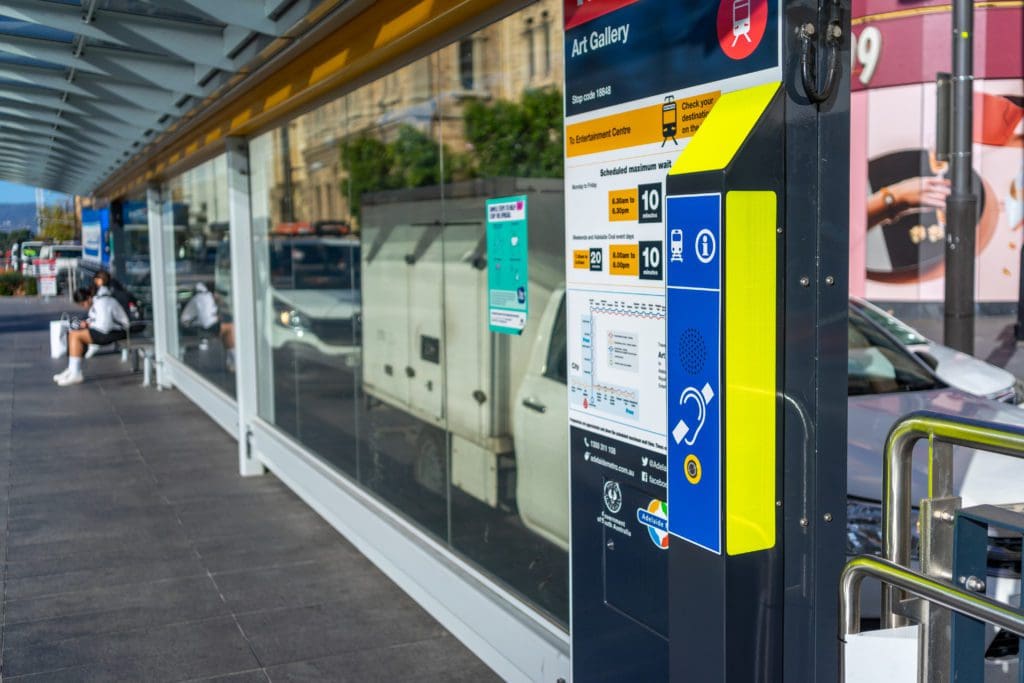
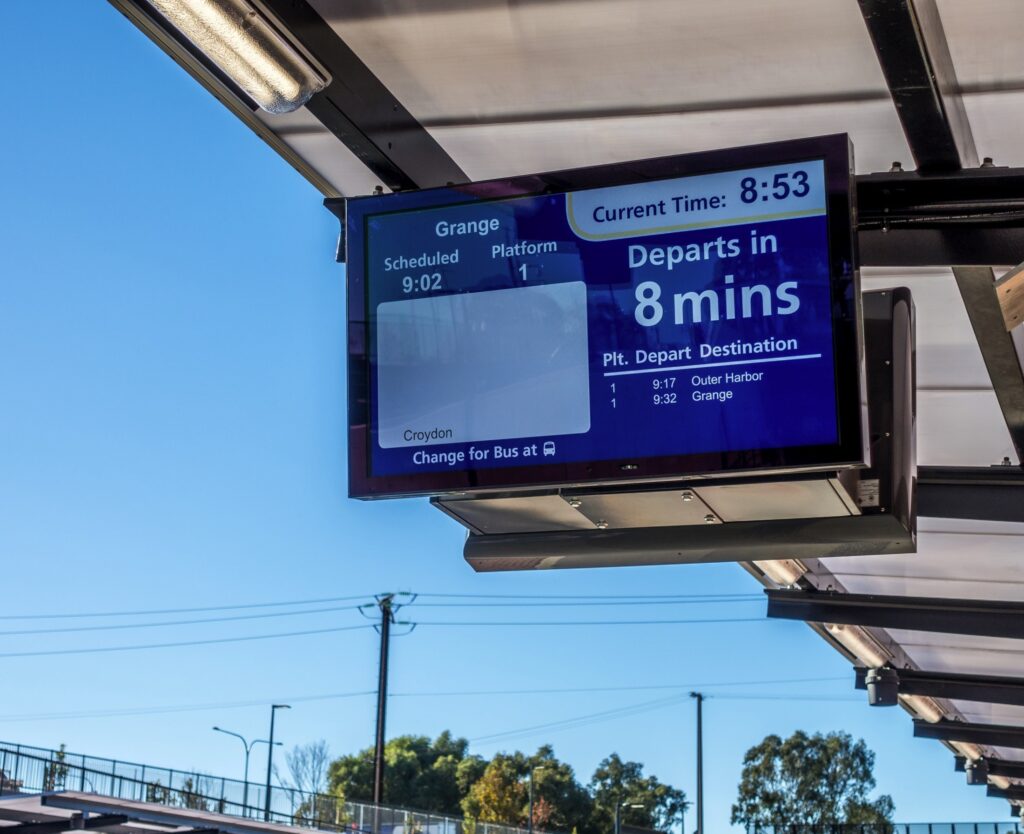
MetroSpec offers a curated range of Indoor Digital Signage Displays that suit different indoor requirements and environments. These displays help organisations deliver messaging, way-finding and promotions clearly and effectively. Our displays also suit bright interiors as well as settings where frequent use and diverse content formats are necessary. As a result, our range of indoor digital signage displays are perfect for professional environments including, education, retail, healthcare, corporate settings and much more.
Indoor Digital Signage Range


Client Feedback
Recent Projects
Everything You Need To Know About Indoor Digital Signage
First, indoor digital displays deliver higher clarity and readability at close distances. They use commercial-grade panels that maintain sharp resolution, accurate colour, and wide viewing angles, even when multiple people view the screen from different positions. As a result, users can easily read detailed content such as directories, dashboards, or schedules without distortion or loss of quality.
In addition, these displays are optimised for controlled lighting conditions. Rather than simply increasing brightness like a TV, indoor digital signage balances brightness, contrast, and anti-glare performance to ensure comfortable viewing in offices, retail spaces, and public environments. This creates a more professional and consistent visual experience throughout the day.
Equally important, indoor digital displays include built-in content management capabilities. Organisations can update content remotely, schedule playlists, and manage multiple screens from a central platform. This eliminates the need for manual updates and allows teams to keep information accurate and relevant across locations.
Furthermore, commercial indoor displays can continuously operate. Unlike consumer TVs, which are typically built for a few hours of daily use, professional displays support extended run times and deliver greater reliability over the long term. This reduces downtime, lowers maintenance requirements, and protects your investment as a result. Other features included in a Metrospec commercial-grade indoor display include: slimmer designs, touch interactivity, and flexible mounting options that integrate seamlessly into workplaces, retail environments, and public spaces.
Finally, solutions from MetroSpec also go a step further by combining commercial-grade hardware with tailored configuration and support. Instead of adapting a consumer TV to fit your needs, MetroSpec designs display solutions around your environment, content, and operational requirements. This ensures better performance, longer lifespan, and a more professional outcome—especially for organisations that rely on clear, reliable communication.
In short, indoor digital displays do far more than show content—they deliver a purpose-built communication platform that outperforms standard TVs in quality, control, and long-term value.
| Digital Display Type | Description | Applications |
|---|---|---|
| Indoor LED displays | High-resolution LED mesh or panel displays designed for vibrant content playback in interior spaces. | Retail walls, corporate lobbies, event spaces and public areas where large visuals are needed. |
| Retail shelf-edge displays | Slim linear screens mounted at shelf edges for product info and promotions close to merchandise. | Supermarkets, department stores and specialty retail aisles. |
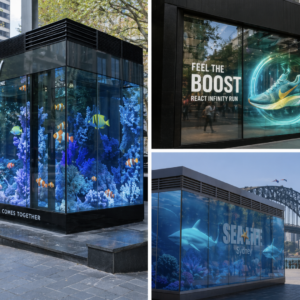
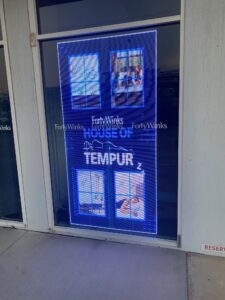
| Transparent LED glass displays | See-through LED integrated into glass that shows digital content without blocking visibility. | Showrooms, storefronts and corporate reception areas to merge digital with architecture. |
| LED poster displays | Portrait-oriented LED panels for static and dynamic messaging that mimic poster formats. | Point-of-sale zones, corridors and lobby signage. |
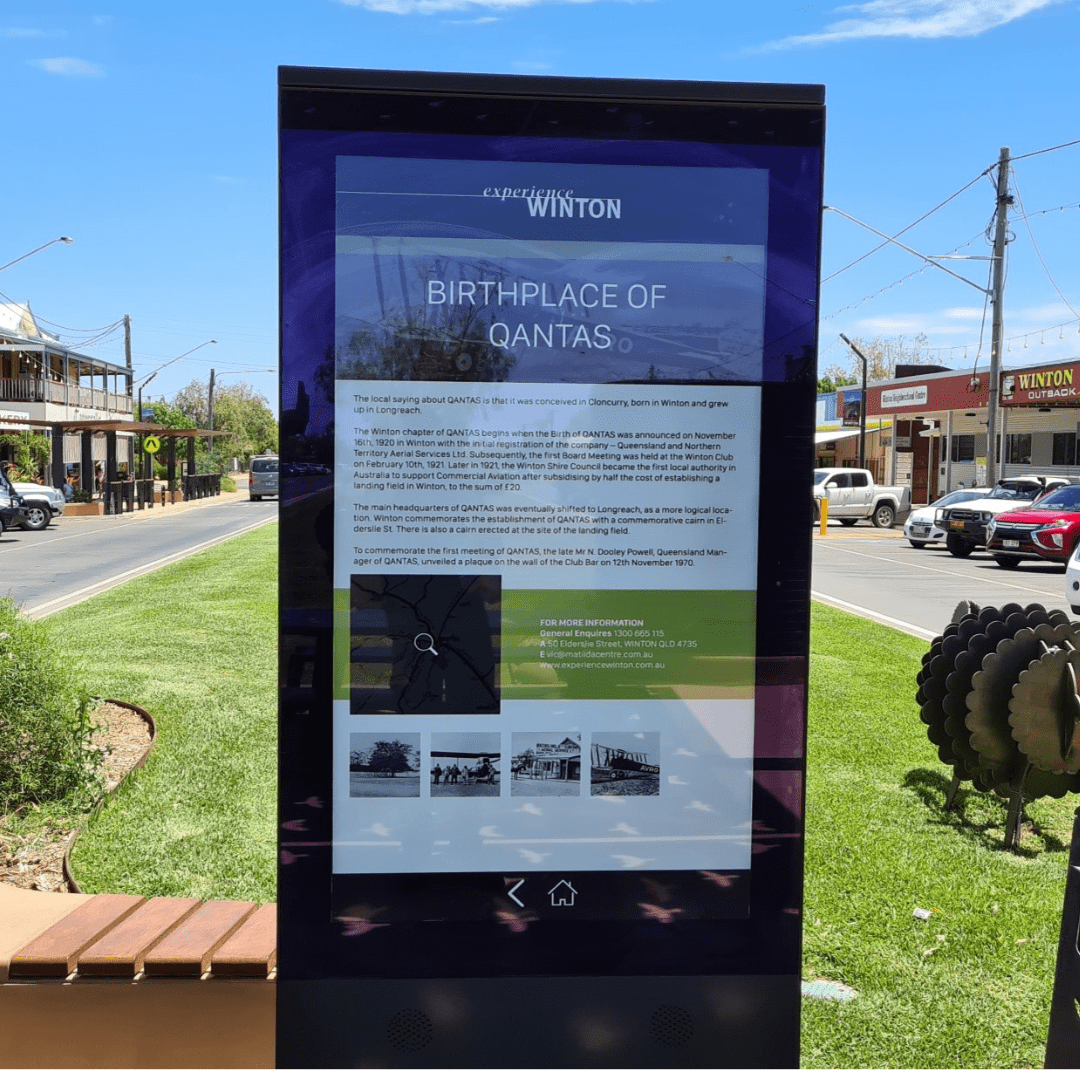
| Indoor kiosks | Freestanding digital displays often combined with interactive touch or wayfinding components. | Education facilities, corporate campuses and healthcare check-in zones. |
| Rolling LED door displays | Mobile LED screens on wheels that can be moved between rooms or events indoors. | Temporary signage at conferences, retail events and training spaces. |
| Indoor e-paper displays | Low-power, high-contrast electronic paper screens ideal for schedule boards and notices. | Meeting rooms, libraries and classrooms. |
| Indoor touchscreen kiosks | Interactive touchscreen solutions for self-service, information lookup or engagement. | Lobbies, education reception, healthcare info points and corporate directories. |
Indoor Digital Signage Displays support a wide range of applications across retail, corporate, education, and healthcare environments. Because organisations can update content quickly and centrally, these displays improve communication, enhance user experience, and reduce reliance on printed materials.
In retail environments, businesses use indoor displays to promote offers, highlight products, and guide customers through the store. They can also adapt messaging in real time to reflect promotions, seasonal campaigns, or inventory changes, which helps drive engagement and sales.
In corporate spaces, organisations use digital displays to communicate internal messaging, share company updates, and display event information. For example, teams can showcase dashboards, announcements, or meeting room schedules, which keeps staff informed and improves workplace efficiency.
Similarly, educational facilities rely on indoor displays for wayfinding, timetables, and student engagement. Schools and universities can share important updates, campus news, and emergency notifications, ensuring students and staff always have access to current information.
In healthcare settings, providers use digital displays to deliver patient information, directions, and important notices. Clear, easy-to-read signage helps reduce confusion, improves navigation, and supports a calmer, more organised environment for both patients and visitors.
Overall, indoor digital displays give organisations a flexible and scalable way to communicate clearly and consistently across multiple environments.
Indoor Digital Displays might not suit environments with minimal foot traffic or where content updates are rare, because the investment and maintenance focus on frequent use and engagement. Additionally, our range of indoor digital displays are not suitable for outdoor use or full weather exposure. For these settings please check out our specialised outdoor digital display solutions.
Indoor Digital Displays offer clear advantages when compared with alternative communication solutions, particularly in flexibility, performance, and long-term value. While printed signage may appear simple and low-cost, it requires manual updates, reprinting, and physical distribution. In contrast, digital displays allow organisations to update content instantly from a central system, which saves time and ensures messaging stays accurate and consistent across all locations.
At the same time, indoor digital displays differ significantly from outdoor units. Outdoor displays focus on weather resistance, extreme brightness, and rugged enclosures. However, indoor displays prioritise high resolution, colour accuracy, and close-range viewing. This means they deliver sharper visuals, better readability, and a more refined appearance in controlled environments such as bars, restaurants, cafes, offices, retail spaces, and other public interiors.
Compared with consumer TVs, the differences become even more important. Although TVs may offer a lower upfront cost, they are not designed for commercial use. They typically lack remote content management, operate less reliably over long hours, and provide limited mounting and integration options. As a result, organisations often face higher maintenance costs, inconsistent performance, and reduced lifespan.
In contrast, commercial indoor digital displays deliver a purpose-built solution. They support continuous or extended operation, integrate with content management systems, and provide consistent image quality across multiple screens. This allows organisations to scale their signage network efficiently while maintaining a professional and cohesive look.
Solutions from MetroSpec further strengthen this advantage by combining commercial-grade hardware with tailored system design and support. Rather than adapting a TV for signage, MetroSpec delivers displays that align with your environment, usage requirements, and long-term goals. This results in greater reliability, easier management, and a stronger return on investment.
Ultimately, indoor digital displays outperform alternative solutions by offering dynamic content control, better visual performance, and a scalable platform that supports modern communication needs.
When choosing Indoor Digital Signage Displays, consider the environment (retail, hospitality, corporate, education or healthcare), viewing distance, content type (static vs dynamic), interactive needs and installation constraints. You also need to define your primary goal — branding, information, engagement — to select the right display type and size. Finally, review power, content management systems and service support provided by the supplier.
FAQs
What are indoor digital displays?
Indoor Digital Displays are specialised visual display solutions designed for use inside buildings where people gather and interact with information. Organisations use these displays to show promotional content, deliver important information, and drive engagement across a wide range of environments.
Unlike consumer screens, commercial indoor digital displays support consistent, high-quality performance throughout the day. They provide clear, high-resolution visuals optimised for close viewing distances, which ensures that users can easily read content such as menus, directories, schedules, and announcements.
In addition, businesses use indoor digital displays to create more dynamic and responsive communication. Teams can update content in real time, tailor messaging to specific audiences, and manage multiple screens from a central system. This improves efficiency while maintaining a consistent and professional presentation across locations.
These displays range from high-impact LED video walls for large, attention-grabbing installations to interactive kiosks that support customer self-service and engagement. Energy-efficient E-Paper displays also provide a practical option for low-power applications where content updates periodically rather than continuously.
Overall, commercial indoor digital displays provide a flexible and scalable platform that helps organisations communicate more effectively, enhance user experience, and replace static signage with a more modern and adaptable solution.
Where are indoor digital displays commonly used?
These displays are common in retail stores, the hospitality sector, corporate lobbies, educational campuses and healthcare facilities for promotion, messaging and wayfinding.
How do indoor LED displays differ from touchscreen kiosks?
Indoor LED displays focus on delivering high-impact visuals that capture attention and communicate messages at scale. Businesses typically use these displays for branding, advertising, and large-format content such as video walls, feature promotions, or event messaging. Because they prioritise brightness, contrast, and seamless visuals, LED displays perform best in environments where organisations need to attract attention from a distance or create an immersive visual experience.
In contrast, touchscreen kiosks prioritise interactivity and user engagement. Rather than simply displaying content, they allow users to actively navigate information, complete transactions, or access services. For example, organisations use kiosks for wayfinding, self-service check-in, product browsing, and ticketing. This shifts the experience from passive viewing to active participation.
Additionally, the two solutions serve different roles within the same environment. LED displays broadcast information to a wide audience, while kiosks provide personalised, one-to-one interaction. As a result, many organisations combine both technologies—using LED displays to attract attention and direct users, and touchscreen kiosks to deliver detailed, interactive experiences.
Ultimately, indoor LED displays maximise visibility and impact, whereas touchscreen kiosks enable functionality and engagement, making each solution suited to different communication and operational goals.
Can indoor digital displays run interactive content?
Yes, many indoor digital displays, especially kiosks and touchscreen units, support interactive content and user input.
What Maintenance Do Indoor Displays Require?
Indoor Digital Displays require regular maintenance to ensure they continue to deliver clear visuals and reliable performance. This typically includes periodic cleaning to remove dust and smudges, routine software updates to maintain security and functionality, and ongoing content management to keep information accurate and relevant.
In addition, commercial-grade displays are designed to support long-term use, which means organisations can service them if issues arise. Rather than replacing the entire unit, technicians can diagnose and repair specific components, reducing downtime and lowering overall lifecycle costs.
Solutions from MetroSpec further support this approach by offering displays that allow for servicing and maintenance when required. This ensures that, should something go wrong, organisations can quickly restore performance without the expense of full replacement.