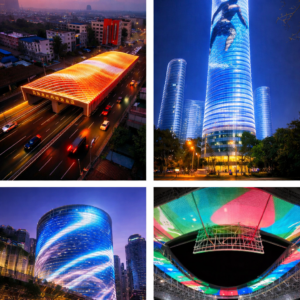
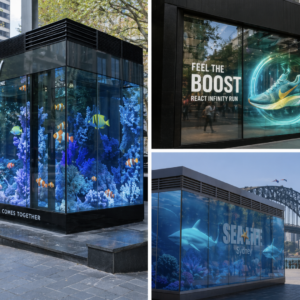
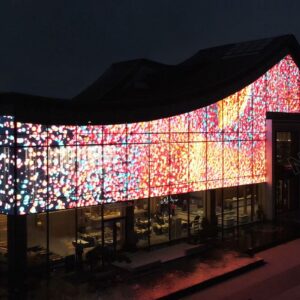
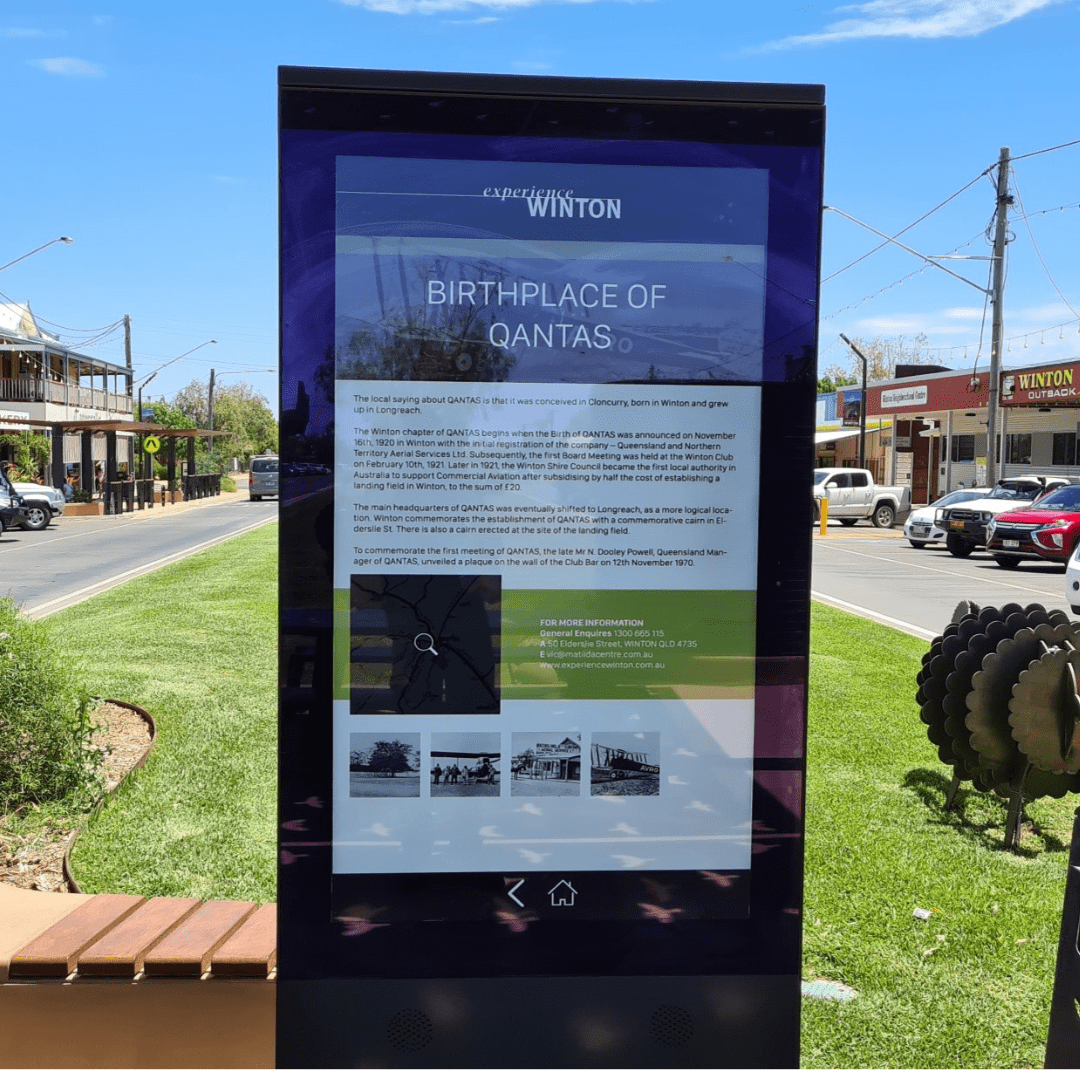
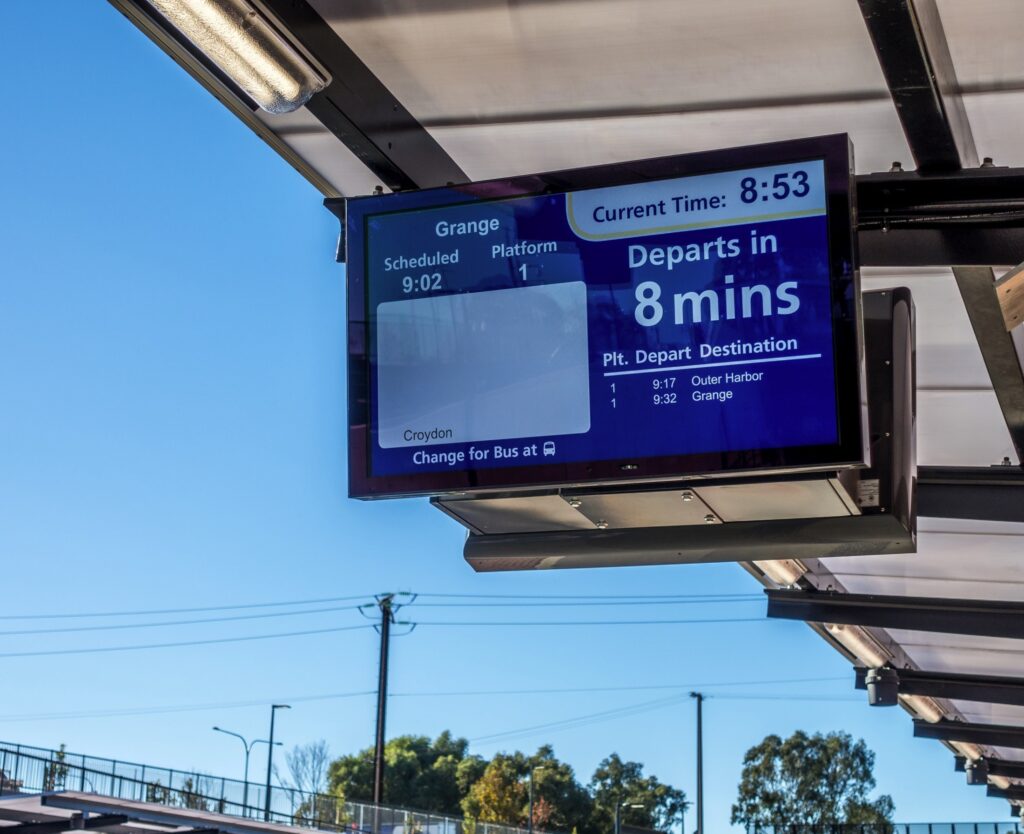
Transparent Glass LED Displays
Transparent Glass LED Displays are digital display systems that integrate LED technology directly into glass surfaces, allowing visual content to appear without blocking sightlines or altering the character of glass façades. These displays suit architectural and retail environments where visibility, natural light, and aesthetics remain important alongside digital communication.
MetroSpec supplies transparent LED display solutions that support retail, commercial, transport, and architectural projects where design integration and visual impact must work together.
Transparent Glass Display Range
Client Feedback
Everything You Need to Know About Transparent Glass LED Displays
Transparent Glass LED Displays differ from conventional digital signage because they allow viewers to see through the display when content is not active. The LED structure integrates into glass, which preserves openness while still enabling high-impact messaging.
Because these displays form part of a building’s façade or internal glazing, designers often select them for projects that balance digital communication with architectural intent. As a result, they commonly appear in premium retail, transport, and commercial developments.
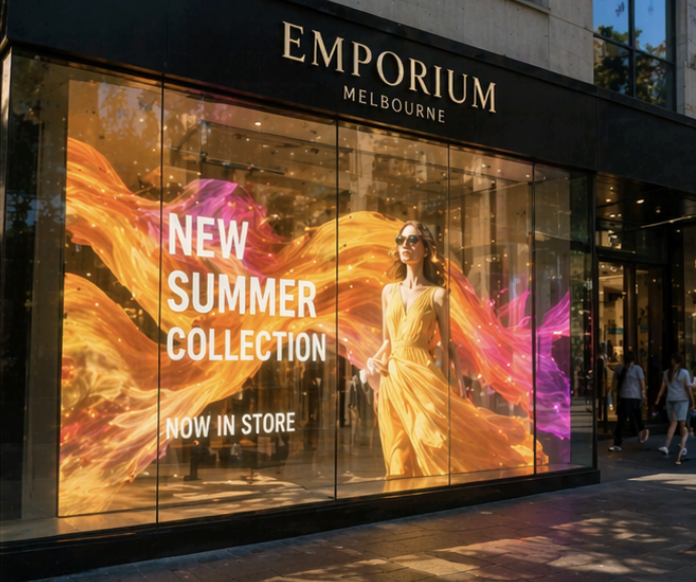
Transparent Glass Displays create a unique visual experience by combining digital content with real world visibility. Instead of blocking the view like traditional screens, these displays allow audiences to see both the content and what sits behind it, which immediately captures attention and encourages engagement.
First, this layered effect helps content stand out in busy environments. Retailers, for example, can showcase promotions while still displaying physical products behind the glass, which creates a more immersive and interactive experience. As a result, customers spend more time engaging with both the display and the product.
In addition, transparent displays enhance the overall aesthetic of a space. Their sleek, modern design integrates seamlessly into storefronts, showrooms, and architectural environments without adding visual clutter. This allows organisations to communicate digitally while maintaining an open and premium look.
They also support more creative content strategies. Designers can use motion, contrast, and positioning to highlight specific elements, guide attention, or create storytelling experiences that blend digital and physical elements. This flexibility also makes transparent displays particularly effective for branding, product launches, and high-end retail environments.
Furthermore, transparent displays encourage interaction and curiosity. Because the technology is less familiar than standard screens, it naturally draws interest, which increases dwell time and improves message retention.
Solutions from MetroSpec combine this visual impact with commercial-grade performance, ensuring displays remain clear, reliable, and suitable for continuous use in professional environments.
Overall, transparent glass displays deliver more than just information—they create engaging, memorable experiences that connect digital content with the physical world.

| Digital Display Type | Description | Applications |
|---|---|---|
| Transparent LED Glass Display | LED displays designed to integrate directly into glass surfaces while maintaining visibility through the panel. | Retail storefronts, building façades, showroom windows |
| Transparent LED Glass Screen | Glass-based LED screens designed for architectural and interior glazing applications. | Corporate lobbies, airports, exhibition spaces |
Designing a high-impact transparent display installation requires careful alignment between the display, the environment, and the content. Transparent screens combine digital visuals with real-world visibility. As a result, organisations must plan each element to maximise clarity, engagement, and overall effect.
First, placement plays a critical role. Positioning the display in high-traffic areas such as storefront windows, entrances, or feature zones ensures maximum visibility. Typical applications include retail storefronts, product showcases, exhibitions, showrooms, corporate lobbies, and hospitality environments. At the same time, the surrounding environment should support the display rather than compete with it.
In addition, background control significantly affects visual impact. Designers should consider what sits behind the display. For example, darker or more controlled backgrounds improve contrast and make content easier to read. In contrast, overly bright or cluttered backgrounds can reduce clarity and weaken the visual effect.
Content design also requires a different approach compared to traditional screens. Transparent displays work best with bold visuals, high contrast, and strategic use of negative space.
Furthermore, lighting conditions must support the installation. Controlled indoor lighting typically delivers the best results. In contrast, environments with strong natural light may require higher brightness levels and careful positioning.
Solutions from MetroSpec support high impact installations by combining display technology with tailored design advice. This ensures each solution performs reliably in its intended environment as a result.
Designing a high-impact transparent display installation requires careful alignment between the display, the environment, and the content. Because transparent screens combine digital visuals with real-world visibility, organisations must plan each element to maximise clarity, engagement, and overall effect.
First, placement plays a critical role. Positioning the display in high-traffic areas such as storefront windows, entrances, or feature zones ensures maximum visibility. Typical applications include retail storefronts, product showcases, exhibitions, showrooms, corporate lobbies, and hospitality environments. At the same time, the surrounding environment should support the display rather than compete with it.
In addition, background control also affects visual impact. Designers should consider what sits behind the display.
Content design also requires a different approach compared to traditional screens. Transparent displays work best with bold visuals, high contrast, and strategic use of negative space.
Furthermore, lighting conditions must support the installation. Controlled indoor lighting typically delivers the best results, while environments with strong natural light may require higher brightness levels and careful positioning.
Solutions from MetroSpec support high-impact installations by combining display technology with tailored design advice, ensuring each solution performs reliably in its intended environment.
Overall, successful transparent display installations rely on thoughtful design, strategic placement, and content that leverages both the digital and physical space.
Compared to standard LED or LCD displays, Transparent Glass Displays preserve sight-lines and natural light but typically involve more complex integration. In contrast, traditional displays offer simpler installation but visually dominate the space.
The right solution depends on transparency requirements, viewing distance, brightness needs, and the role of the glass within the space. It is also important to consider structural integration, content style, and long-term maintenance expectations.
FAQs
Do Transparent Glass Displays block natural light?
No, these displays allow light to pass through, although transparency levels vary by product design.
Are Transparent Glass Displays Suitable For Retail Windows?
Yes, retailers often use them to display digital content while maintaining visibility into the store.
Can Transparent Glass Displays Be Used In Large Façades?
Many projects use these displays across large glass surfaces, depending on structural and design requirements.
Do These Displays Support Architectural Integration?
Yes, they are commonly specified for architectural and smart building projects where glass forms a key design element.
Are Transparent Glass Displays Suitable For Temporary Installations?
They are generally intended for fixed installations rather than short-term or portable use.