Portable Digital Signage Displays
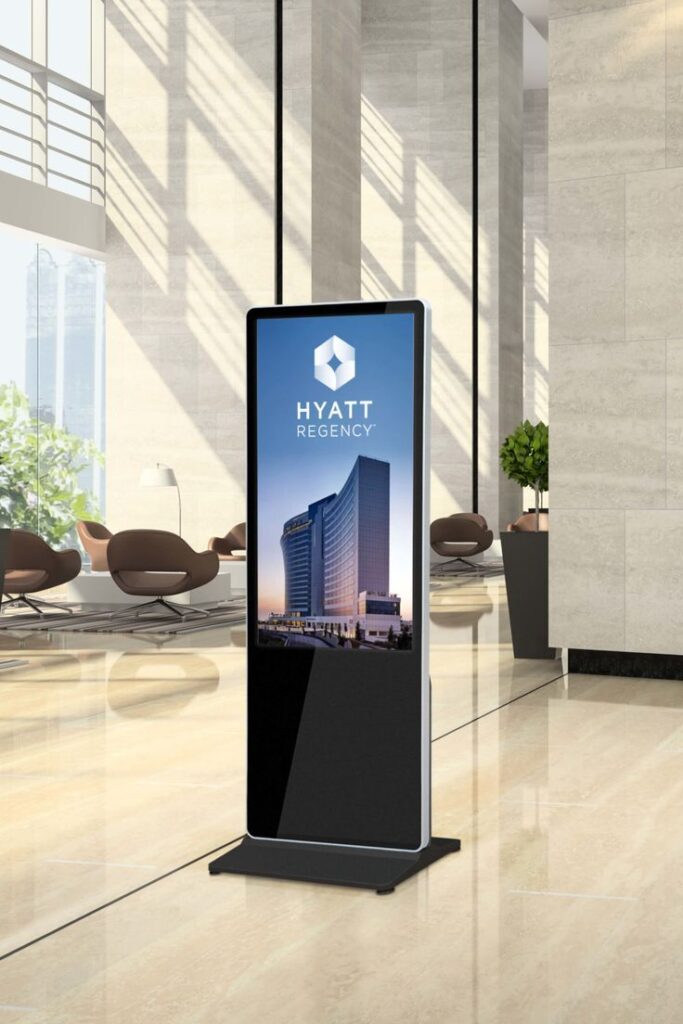
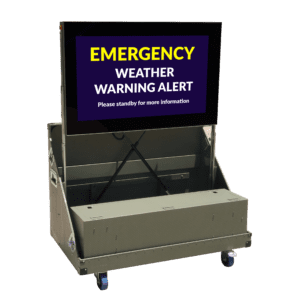
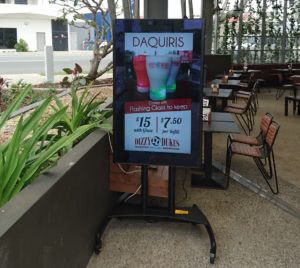
Portable Digital Signage Displays function as self contained digital display solutions that support temporary, mobile, or flexible use across many indoor and semi outdoor environments. These displays enable organisations to share messages, promotions, and information without permanent installation, which makes them ideal for dynamic and frequently changing spaces.
Organisations choose Portable Displays because they combine digital communication with mobility and fast deployment. MetroSpec supplies portable display solutions that support retail, events, healthcare, education, government, and commercial environments where adaptability and rapid setup matter.
Portable Digital Signage Range

Client Feedback
Recent Projects
Everything You Need to Know About Portable Digital Signage Displays
Portable Digital Signage gives organisations the ability to move and reposition displays as needed, which makes them ideal for dynamic environments where communication needs change frequently. Instead of installing fixed screens, teams deploy portable displays exactly where they are needed. For example, this includes events, promotions, or temporary wayfinding.
First, mobility allows businesses to respond quickly. Staff can reposition displays to suit foot traffic, highlight specific products, or support different areas throughout the day. This flexibility helps maximise visibility and ensures messaging reaches the right audience at the right time.
In addition, portable signage simplifies setup and reduces installation requirements. Many solutions operate on battery power or require minimal cabling, which allows teams to deploy them without complex infrastructure. This makes them particularly useful for retail environments, exhibitions, hospitality venues, and corporate events.
Portable displays also support multi-purpose use. Organisations can reuse the same unit across different campaigns, locations, or departments, which improves cost efficiency and reduces the need for multiple fixed installations.
Furthermore, integrated content management also allows teams to update messaging quickly and consistently. Whether promoting offers, sharing information, or guiding visitors, organisations can adapt content in real time without needing to replace physical signage.
Solutions from MetroSpec combine portability with commercial grade performance. This ensures displays remain reliable, easy to manage, and suitable for frequent movement. This also allows organisations to maintain a professional appearance while benefiting from the flexibility of a mobile solution.
Overall, portable digital signage works because it delivers the right balance of mobility, ease of use, and adaptability. As a result, this makes them a practical solution for environments where communication needs to move with the audience.
Choosing the right portable digital display starts with understanding how and where you plan to use it. Because portable signage supports a wide range of applications, organisations need to match the display’s features to their specific operational and communication requirements.
First, consider the environment. Indoor retail spaces, events, and corporate settings typically require displays with balanced brightness and strong visual clarity, while semi-outdoor or high-light areas may need higher brightness to maintain visibility. Matching the display to the lighting conditions ensures your content remains clear and effective.
Next, evaluate mobility and setup requirements. Some portable displays prioritise lightweight design and quick deployment, which makes them ideal for frequent movement between locations. Others offer larger formats or integrated stands, which provide greater visual impact but may require more planning for transport and positioning.
Battery life and power options also play a key role. Displays with long battery operation support all-day use without constant charging, while plug-in options may suit fixed temporary setups. Selecting the right power configuration helps avoid interruptions during use.
In addition, consider how you will manage content. Displays that support remote updates and centralised control allow teams to change messaging quickly and maintain consistency across multiple units. This becomes especially important for organisations running campaigns across different sites or events.
Durability and build quality should not be overlooked. Portable displays must handle frequent movement, setup, and storage, so robust construction helps prevent damage and extends the lifespan of the unit.
Solutions from MetroSpec help organisations align these factors by offering portable displays that balance mobility, performance, and ease of use. This ensures each solution fits the intended application while delivering reliable, professional results.
Overall, the right portable display is not just about size or price—it’s about selecting a solution that fits your environment, usage patterns, and long-term needs.
| Digital Display Type | Description | Applications |
|---|---|---|
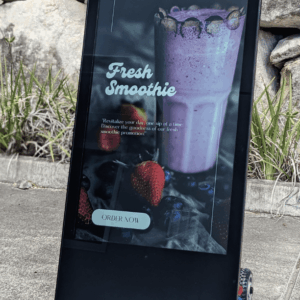
| Portable Digital Signage Display | Freestanding digital displays that support easy relocation and quick deployment. | Retail stores, exhibitions, reception areas |
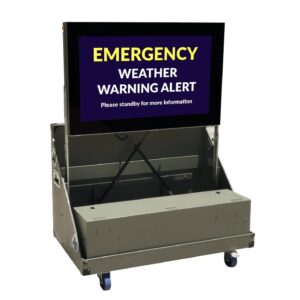
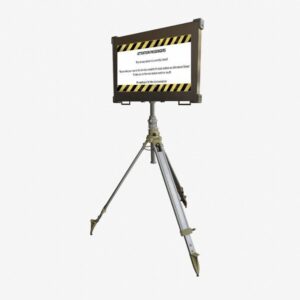
| Portable Outdoor LCD Display | Portable displays that operate in temporary outdoor or semi-exposed conditions. | Outdoor events, pop-up activations, temporary wayfinding |
| Portable A Frame Digital Display | A-frame style digital displays that combine mobility with a familiar signboard format. | Shopping centres, hospitality venues, point-of-sale zones |
Organisations commonly use Portable Digital Displays in retail stores, shopping centres, exhibitions, conferences, and hospitality venues where flexibility and visibility are essential. In these environments, teams use portable displays to promote offers, highlight products, share event information, and guide visitors through spaces with changing layouts.
In addition, businesses rely on portable signage to support temporary setups and high traffic events. For example, exhibitions and conferences use these displays for branding, schedules, and directional signage, while hospitality venues use them for menus, promotions, and guest communication. Because teams can move and reposition the displays easily, they can adapt messaging throughout the day to suit different audiences and activities.
Portable digital displays also support communication across healthcare facilities, education campuses, government service centres, gyms, and community spaces. In these settings, organisations use them to share announcements, provide wayfinding, and display important updates without installing permanent infrastructure.
Furthermore, portable signage plays a key role in temporary marketing installations and pop up environments. Brands can deploy displays quickly, create high-impact messaging, and reuse the same units across multiple campaigns or locations, which improves cost efficiency and consistency.
Solutions from MetroSpec support these use cases by combining mobility with commercial grade performance, allowing organisations to deliver clear, professional communication wherever it is needed.
Overall, portable digital displays provide a versatile and scalable solution for organisations that need to communicate effectively across changing environments and short term installations.
Portable Digital Displays must withstand frequent movement, handling, and setup, so durability plays a critical role in long-term performance. Unlike fixed installations, teams regularly transport, reposition, and store these displays, which means they need robust construction to avoid damage and maintain a professional appearance.
First, build quality directly impacts reliability. Commercial-grade portable displays use reinforced frames, protective screens, and stable base designs to handle everyday use. This reduces the risk of scratches, impacts, or component wear during transport and operation.
In addition, organisations should consider how easily the display can be moved and stored. Lightweight designs, integrated wheels, and compact form factors simplify transport between locations, while foldable or modular components make storage more efficient when the display is not in use.
Protective storage solutions also play an important role. Cases, covers, or dedicated storage areas help prevent damage from dust, moisture, and accidental impact. Proper storage not only preserves the display’s condition but also extends its lifespan.
Furthermore, durability supports cost efficiency. Displays that resist wear and tear require fewer repairs and replacements, which lowers long-term operational costs—especially for businesses that use them across multiple sites or events.
Solutions from MetroSpec are designed with these factors in mind, offering portable displays that balance mobility with durable construction. This ensures organisations can move, store, and reuse their displays confidently without compromising performance.
Overall, choosing a durable and easy-to-store portable display helps organisations protect their investment while maintaining consistent, high-quality communication.
Compared to fixed digital signage, portable displays provide greater flexibility and easier relocation. With that said, portable signage can have size or brightness limitations. Another alternative is static signage. While static signage needs no power or content management it cannot support dynamic content and immediate content updates .
Selecting the right portable display depends on where you plan to use it, how often you need to move it, and whether it will operate indoors or outdoors. You should also consider power requirements, screen size, and the type of content you plan to display.
FAQs
Are Portable Digital Signage Displays easy to move?
Most portable displays include wheels, handles, or lightweight frames that allow repositioning without specialised equipment.
Can Portable Digital Signage Displays be used outdoors?
Some portable displays support temporary outdoor or semi-exposed use, depending on their design and level of environmental protection.
How long do portable digital displays run on battery Power?
Battery life for portable digital displays typically ranges from several hours up to a full day of operation, depending on the specific model, screen size, and usage conditions. Most commercial portable displays are designed to support standard business use, such as retail trading hours, events, or daily operations.
Several factors influence battery performance. Screen brightness plays a major role, as higher brightness levels consume more power—especially in well-lit environments. Content type also affects usage, with video and high-motion graphics using more energy than static or low-change content. In addition, features such as wireless connectivity and touch functionality can impact overall battery life.
Many portable displays include adjustable power settings, allowing organisations to optimise performance based on their needs. Some models also support quick charging or hybrid operation, where the display can run continuously while plugged in and switch to battery power when needed.
Solutions from MetroSpec are designed to balance portability with reliable battery performance, helping organisations maintain consistent operation throughout the day without frequent interruptions.
Overall, choosing the right portable display involves matching battery capacity and usage requirements to ensure it meets your daily operational needs.
Can I update content on portable displays remotely?
Yes, most modern portable digital displays support remote content updates. This means organisations can manage and change content without needing to physically access the screen. This capability helps teams maintain accurate, up-to-date messaging across locations.
Typically, portable displays connect via Wi-Fi, mobile data, or local networks. This feature enables access to a central content management system (CMS). From this platform, users upload new content, schedule playlists, and update messaging in real time. This proves especially useful for businesses running promotions, events, or time-sensitive announcements.
In addition, remote management improves efficiency and consistency. Teams can control multiple displays from a single interface. This ensures branding and messaging remain aligned across all units. This also reduces manual work and eliminates on-site updates.
However, the level of remote functionality depends on the specific model and configuration. Some displays offer full cloud based management, while others require local network access or USB updates.
Solutions from MetroSpec support flexible content management options. We help organisations choose a setup that aligns with their operational needs and infrastructure.
Overall, remote content updates make portable digital displays far more adaptable and scalable than traditional signage. This is especially rue for organisations with multiple locations who need regular content updates.
How durable are portable digital displays for frequent use?
Portable digital displays are built to handle regular movement, setup, and day-to-day operation. Yet, durability depends on the quality of the design and materials used. Commercial-grade displays are specifically engineered for frequent use, making them far more robust than consumer screens.
First, strong construction plays a key role. High-quality portable displays use reinforced frames, protective glass, and stable base designs to withstand transport, repositioning, and continuous handling. This helps prevent damage such as scratches, impacts, or component wear.
In addition, many portable displays include practical design features that support durability in real-world use. Integrated wheels, secure locking mechanisms, and well-balanced stands reduce strain during movement. These features also minimise the risk of tipping or mishandling.
Proper use and storage also influence longevity. Using protective covers, storing displays in safe environments, and handling them correctly during transport all help extend their lifespan and maintain performance.
Solutions from MetroSpec are designed with durability in mind. Our displays balance mobility with commercial grade reliability. This allows organisations to deploy, move, and reuse displays confidently across locations and applications.
Overall, well-built portable digital displays can withstand frequent use and provide long-term value when matched with the right environment and handling practices.