Outdoor Digital Signage Solutions
Our Outdoor Digital Signage range delivers weather-resistant digital display systems built for open, public, and exposed environments. These solutions provide clear, real-time messaging, wayfinding, advertising, and information delivery across city streets, transport hubs, retail frontages, hospitality venues, and other outdoor locations where visibility and durability are critical.
Engineered for harsh Australian conditions, our Outdoor Digital Displays maintain performance in direct sunlight, rain, dust, and temperature extremes. As a result, they suit councils, infrastructure operators, retailers, and other commercial organisations that require reliable, high-performance signage backed by proven hardware and responsive support.
Outdoor Digital Signage Range
-
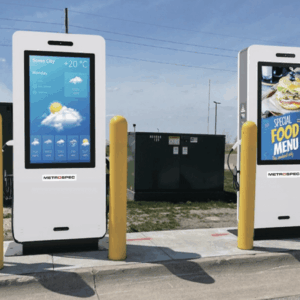
Commercial EV Charger with 55″ LCD Advertising Display
-
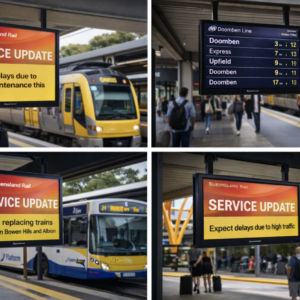
E Series Outdoor Digital Display
-
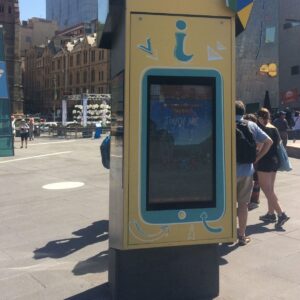
LCD Outdoor Touchscreen Kiosks
-
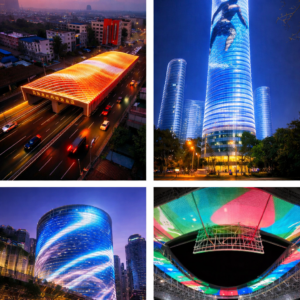
Mesh LED Display System
-
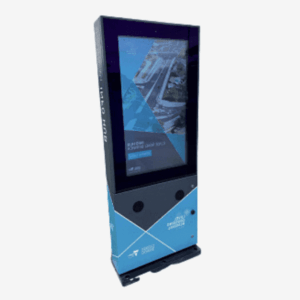
Outdoor Interactive Kiosk
-
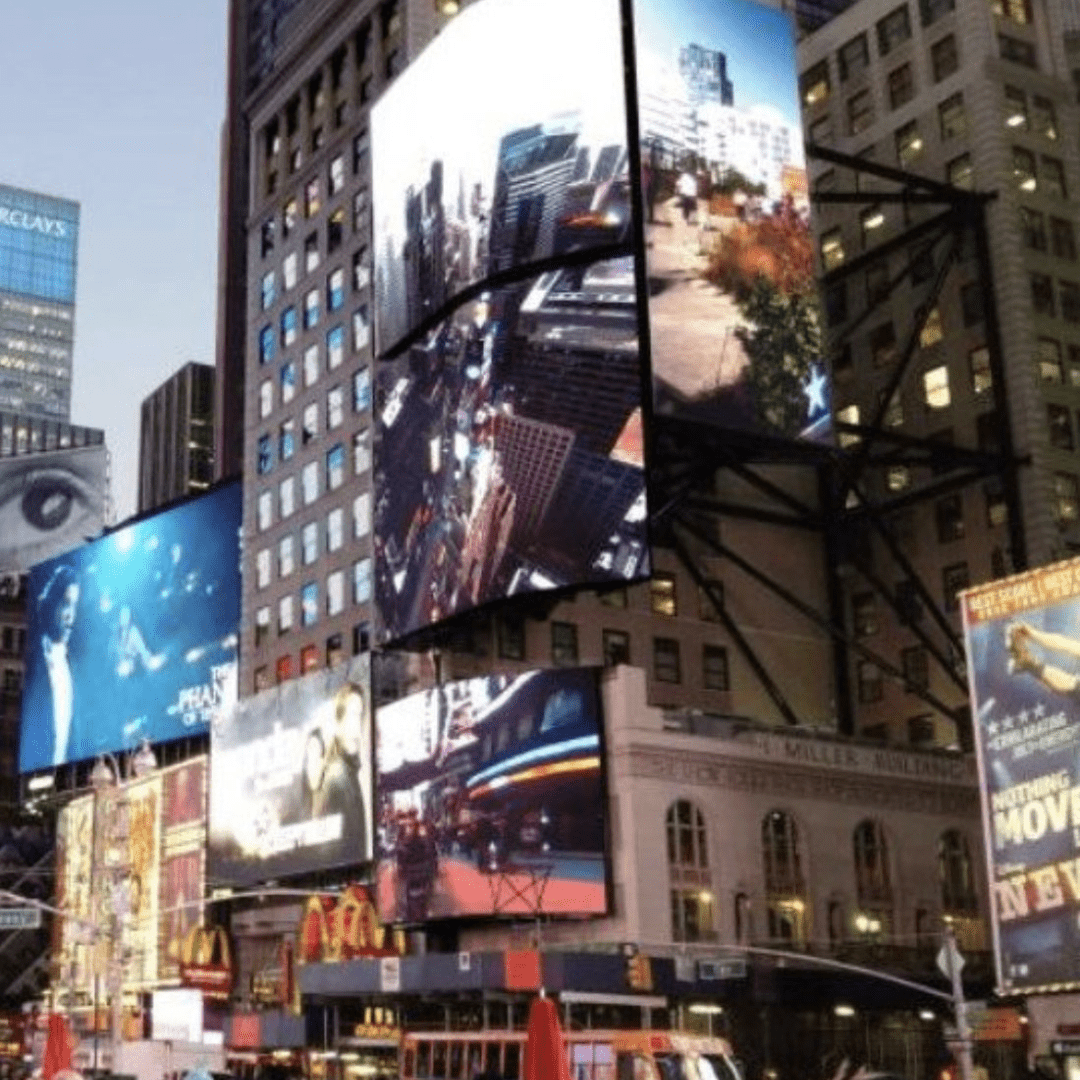
Outdoor LED Sign
-
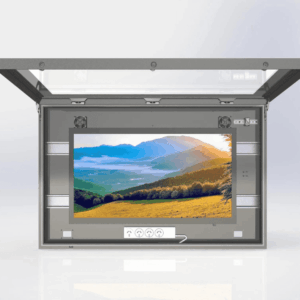
Outdoor TV Enclosure
-
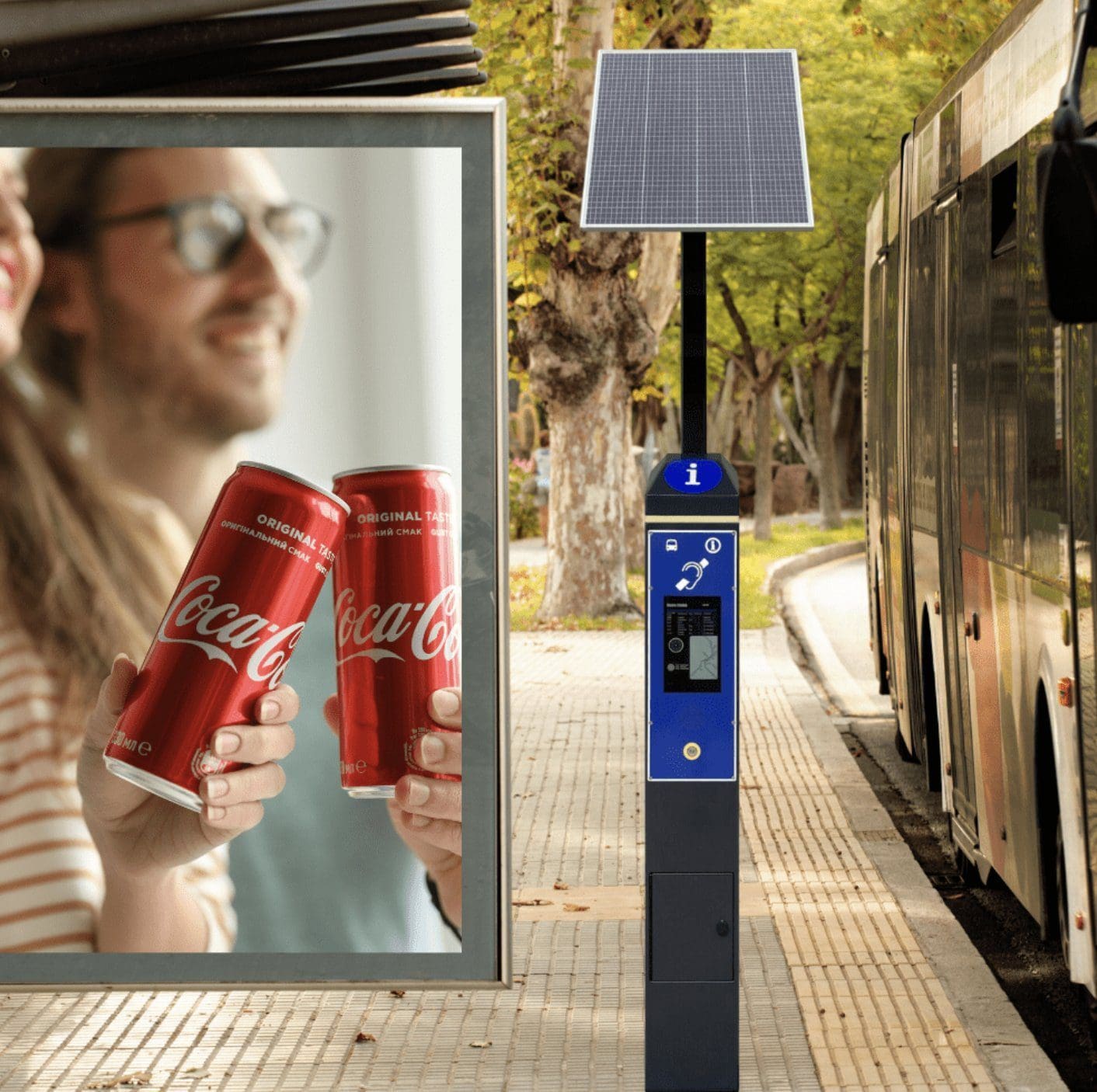
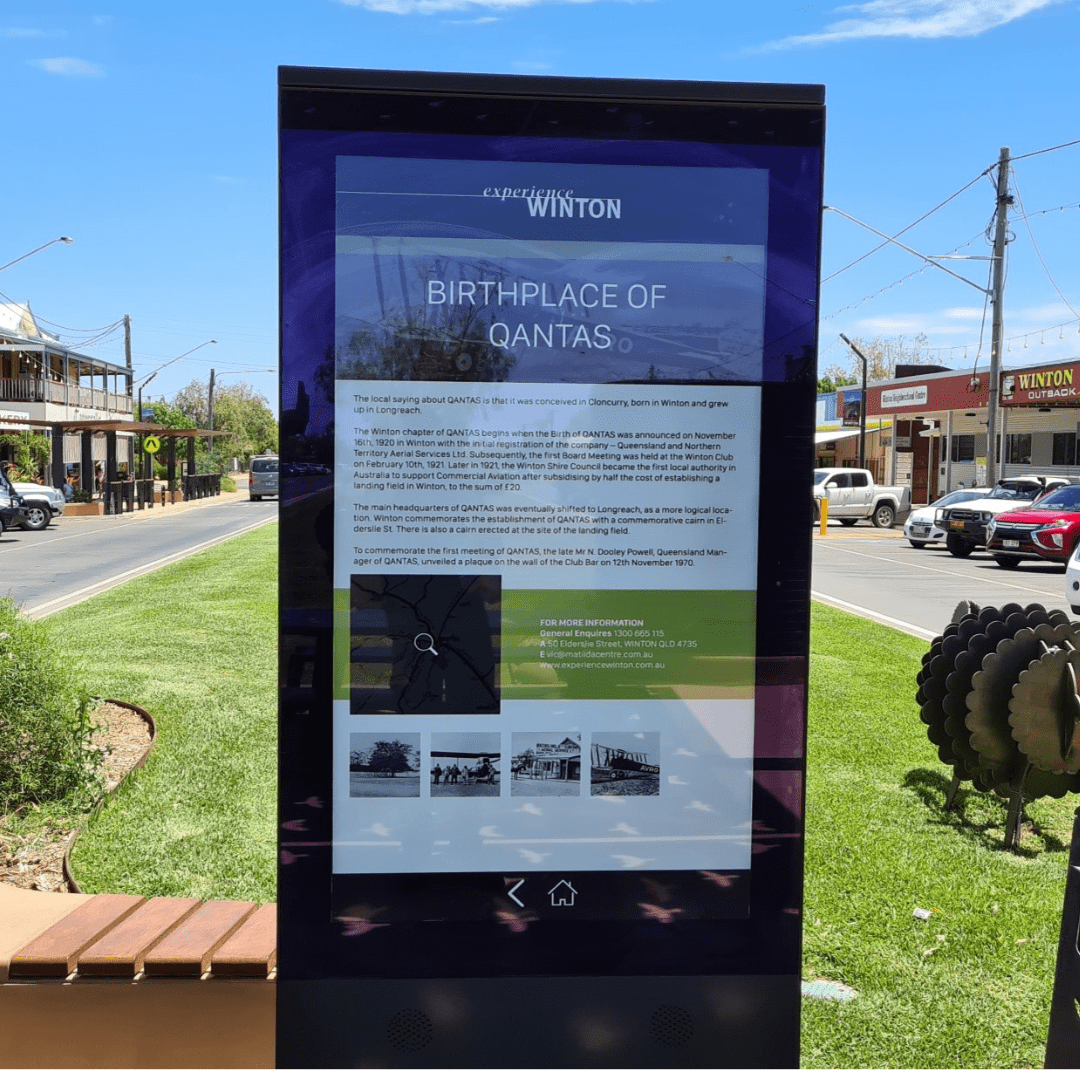
Outdoor Wayfinding and Information Kiosk
-
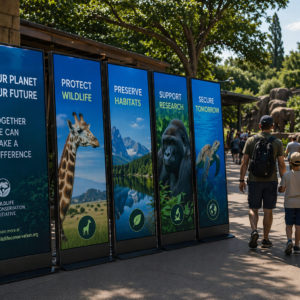
Poster Style LED Display Screen
-
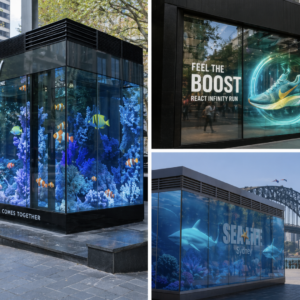
Transparent LED Display Screen
Client Feedback
Everything You Need To Know About Outdoor Digital Signage Solutions
When selecting outdoor digital signage, organisations need to focus on the factors that directly impact performance, reliability, and long-term value. While many displays may appear similar, key differences in specification and design determine how well they perform in real-world conditions.
First, visibility is critical. Outdoor displays must deliver sufficient brightness and contrast to remain readable in direct sunlight and varying lighting conditions. Choosing the right brightness level ensures that content stays clear and effective throughout the day.
Next, environmental protection plays a major role. Outdoor displays must withstand rain, dust, wind, and temperature fluctuations, so enclosure ratings and build quality are essential. A properly protected display reduces the risk of failure and extends the lifespan of the installation.
In addition, durability and structural design matter in public-facing environments. Displays often operate in high-traffic areas, so they must resist impact, vibration, and potential tampering. Strong materials and secure mounting systems help maintain performance and reduce maintenance issues.
Operational reliability also deserves careful attention. Outdoor signage often runs for extended hours, so organisations should select displays designed for continuous or near-continuous operation. Reliable performance ensures consistent communication without interruptions.
Furthermore, installation and infrastructure requirements influence both performance and cost. Power supply, network connectivity, and mounting solutions must align with the site conditions to support stable operation and easy integration.
Content management is another key factor. The ability to update content remotely and manage multiple displays from a central system allows organisations to maintain accurate, timely messaging across locations.
Solutions from MetroSpec address these priorities by aligning display technology, protection levels, and system design with each deployment environment. This ensures organisations achieve a balance between performance, durability, and long-term efficiency.
Ultimately, what matters most is not just the display itself, but how well it fits the environment, application, and operational goals.
Outdoor digital displays must perform reliably in challenging environments, so understanding key ratings and performance factors is essential when selecting the right solution. These ratings help you determine how well a display will handle weather exposure, visibility requirements, and long-term operation.
First, Ingress Protection (IP) ratings define how effectively the display resists dust and water. For example, higher IP ratings indicate stronger protection against rain, moisture, and airborne particles, which makes them more suitable for exposed outdoor locations.
In addition, brightness levels—measured in nits—play a critical role in visibility. Outdoor displays require significantly higher brightness than indoor screens to remain readable in direct sunlight. Selecting the correct brightness level ensures that content stays clear and legible throughout the day.
Temperature tolerance also impacts performance. Outdoor displays must operate across a wide range of conditions, from high heat to cold environments. Integrated thermal management systems help regulate internal temperatures and maintain consistent operation.
Furthermore, build quality and materials influence durability and lifespan. Commercial outdoor displays use reinforced enclosures, protective glass, and robust components to withstand environmental stress and potential impact in public-facing locations.
Solutions from MetroSpec take these factors into account by aligning display specifications with real-world site conditions. This ensures each installation delivers reliable performance, clear visibility, and long-term value.
Overall, understanding these ratings and performance characteristics helps organisations choose an outdoor digital display that matches their environment, reduces risk, and supports consistent communication.
| Digital Display Type | Description | Applications |
|---|---|---|
| E-Series Outdoor LCD Display | High-brightness LCD displays designed for permanent outdoor installation and continuous operation. | Retail storefronts, pedestrian zones, public squares |
| Outdoor LED Display | Large-format LED displays suited to long-distance viewing and high ambient light conditions. | Roadside locations, stadium exteriors, transport corridors |
| LED Digital Display Sticks | Slim LED display formats designed for vertical or space-constrained installations. | Retail entrances, urban streetscapes, smart city projects |
| Outdoor TV Enclosure | Protective enclosures that allow standard displays to operate safely in outdoor environments. | Hospitality areas, outdoor common spaces, commercial sites |
| EV Charger Outdoor Display | Integrated or adjacent displays designed for use with electric vehicle charging infrastructure. | EV charging locations, car parks, service centres |
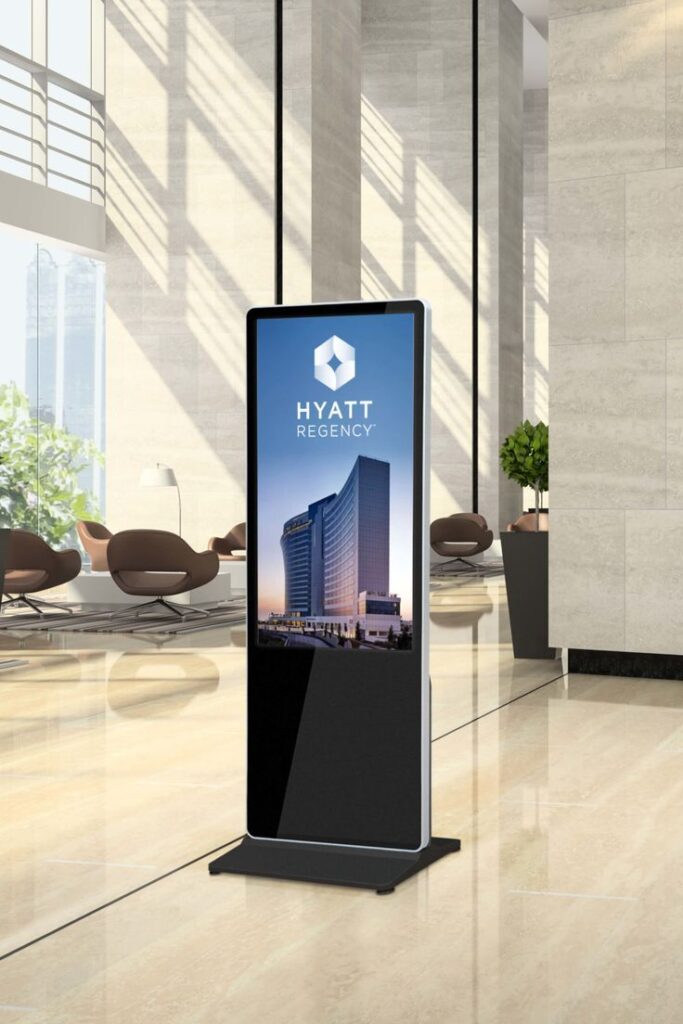
| Outdoor Digital Information Point | Standalone information displays designed for public access and wayfinding. | Civic precincts, campuses, tourist attractions |
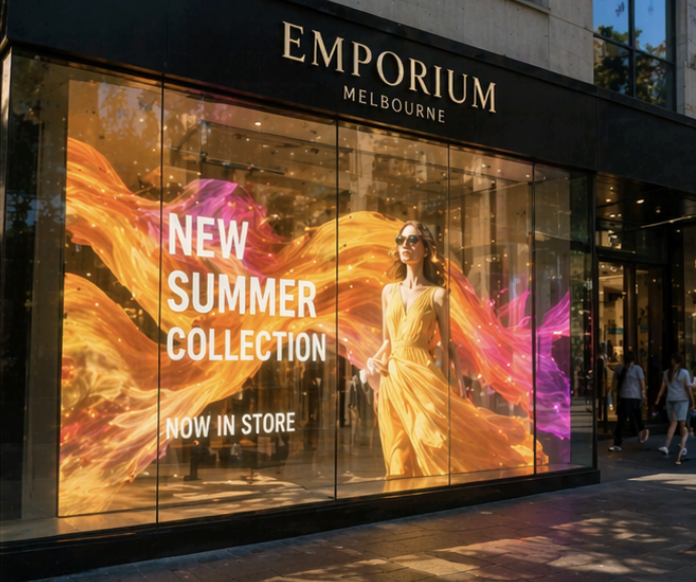
| Transparent Glass LED Digital Display | LED display technology that allows content to appear on glass while maintaining visibility through the surface. | Retail windows, building façades, commercial entrances |
| Outdoor Kiosk | Enclosed digital kiosks designed for interaction or information delivery in outdoor settings. | Public spaces, transport interchanges, service locations |
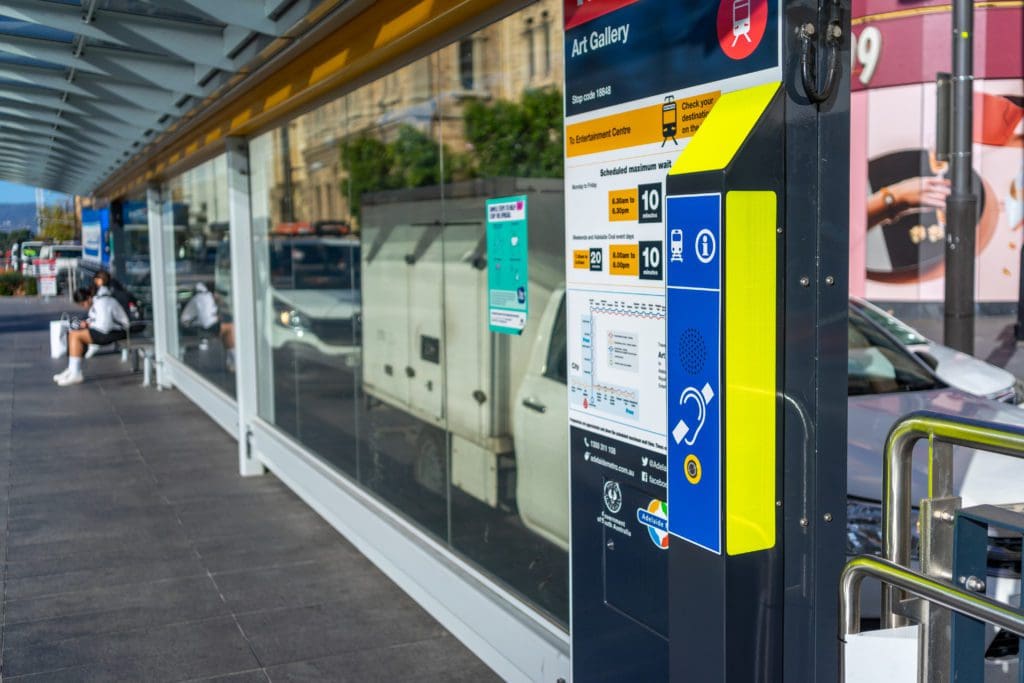
| Digital Bus Totems | Tall digital displays designed to present transport information in outdoor environments. | Bus stops, shelters, pedestrian areas |
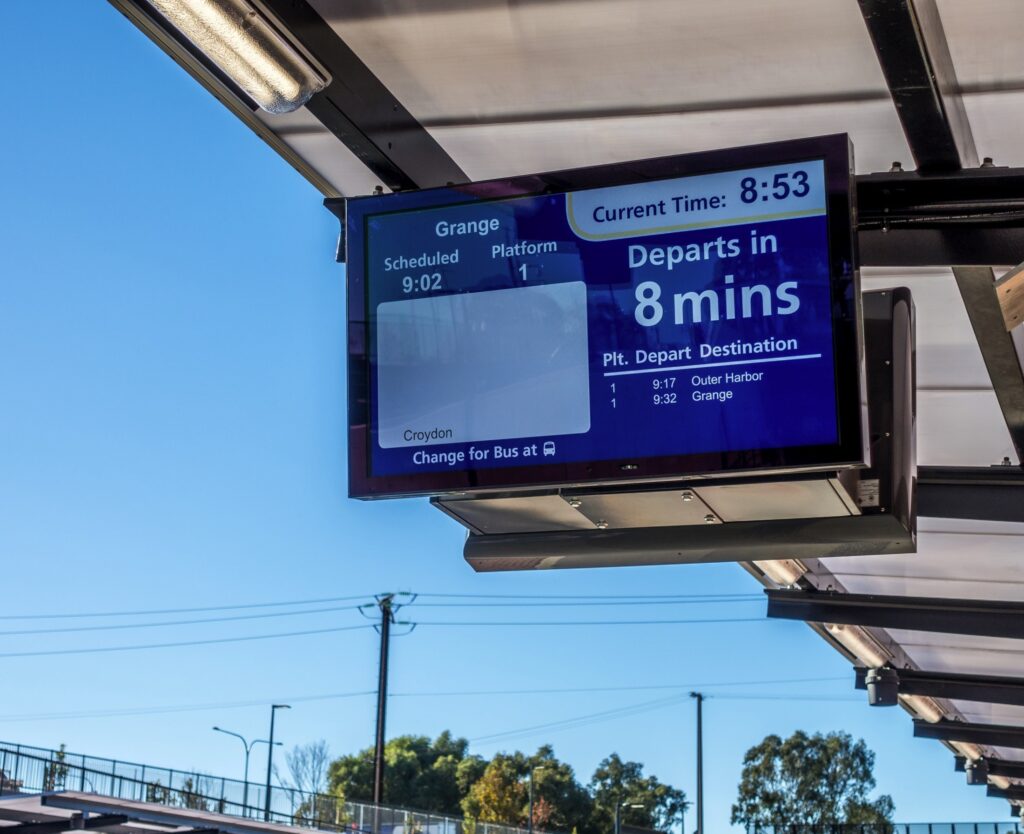
| Digital Transport Displays | Outdoor-rated displays designed for real-time transport messaging and scheduling. | Train stations, platforms, interchanges |
| Outdoor Portable Displays | Mobile or relocatable displays designed for temporary outdoor use. | Events, construction sites, pop-up activations |
Outdoor Digital Signage is commonly deployed across city streets and pedestrian zones, public squares, transport hubs, shopping centre entrances, and roadside locations where high visibility and real-time communication are essential. In these environments, organisations use digital displays to capture attention, share timely information, and enhance the overall public experience.
In addition, outdoor signage plays a key role in wayfinding and communication across campuses, civic precincts, industrial facilities, and other weather exposed commercial sites. For example, organisations can guide visitors through large or complex environments, display safety messaging, and also provide operational updates in real time.
Because these locations often experience high foot traffic and constant exposure to the elements, outdoor digital displays must deliver both durability and consistent performance. This makes them particularly valuable in environments where static signage would quickly become outdated or ineffective.
Solutions from MetroSpec support these applications by combining high brightness visibility with robust construction and flexible deployment options. As a result, organisations can install displays confidently across a wide range of outdoor settings while maintaining clear, reliable communication.
You can read more about outdoor digital display applications here.
Planning outdoor digital signage for long-term performance requires more than selecting a display—it involves aligning technology, environment, and operational needs from the outset. Organisations that take a structured approach can reduce downtime, extend lifespan, and achieve a stronger return on investment.
First, site conditions play a critical role. Exposure to sunlight, wind, rain, dust, and temperature fluctuations directly impacts performance, so organisations must match the display’s brightness, enclosure rating, and thermal management to the specific environment. A well-matched solution ensures consistent visibility and reliability over time.
In addition, installation design influences long-term success. Mounting structures, orientation, and placement affect not only visibility but also how the display handles environmental stress. Proper installation reduces wear, improves safety, and supports easier maintenance.
Power and connectivity also require careful planning. Reliable power supply and stable network access allow displays to operate continuously and receive real-time content updates. Without this infrastructure, even high-quality displays cannot perform effectively.
Furthermore, organisations should consider serviceability and maintenance from the beginning. Displays that allow for component-level servicing, rather than full replacement, reduce lifecycle costs and minimise downtime. Regular cleaning, software updates, and performance checks also help maintain consistent operation.
Content strategy plays an equally important role. Clear, well-designed content that suits outdoor viewing conditions improves readability and engagement. Planning how content will be managed, updated, and scaled across multiple locations ensures the system remains effective as needs evolve.
Solutions from MetroSpec support long-term performance by combining durable hardware with tailored system design and ongoing support. This approach ensures each deployment aligns with real-world conditions while remaining flexible for future expansion.
Overall, organisations achieve the best results when they treat outdoor digital signage as a long-term infrastructure investment rather than a standalone product.
Compared to static signage, Outdoor Digital Displays give organisations the ability to update content instantly without physical replacement. This allows teams to respond quickly to changing information, promotions, or operational needs, while maintaining consistent messaging across multiple locations. As a result, organisations reduce printing costs, minimise manual labour, and improve communication efficiency.
However, outdoor digital displays do require additional planning. They need a reliable power source, appropriate mounting solutions, and ongoing content management to ensure optimal performance. In contrast, indoor digital signage requires less environmental protection but only suits controlled internal environments, where exposure to weather and extreme conditions is not a concern.
FAQs
Are Your Displays Readable In Direct Sunlight?
Outdoor Digital Signage is designed to remain visible in bright conditions, including direct sunlight, where standard indoor screens would appear washed out or difficult to read. To achieve this, outdoor displays use significantly higher brightness levels and optimised contrast to ensure content stays clear and legible throughout the day.
However, not all outdoor displays perform the same. You should always check the specific display technology and brightness rating when selecting a solution. Brightness is typically measured in nits, and higher ratings indicate better visibility in direct sunlight. For example, partially shaded environments may require lower brightness, while fully exposed locations demand much higher output to maintain readability.
In addition, different display technologies handle light differently. LED, LCD, and E-Paper solutions each offer unique advantages depending on the application, viewing distance, and power requirements. Choosing the right combination ensures the display performs effectively in your specific environment.
Solutions from MetroSpec consider these factors as part of the design process, helping organisations select the appropriate brightness level and technology for their site conditions. This ensures consistent visibility, better user experience, and long-term performance.
Overall, selecting the right outdoor display requires more than just assuming sunlight readability—it involves matching brightness, technology, and environment to achieve reliable, high-quality results.
Can your outdoor displays operate in extreme weather?
Our range of outdoor digital displays is built to withstand exposure to a wide range of weather conditions, including rain, dust, wind, and temperature fluctuations. We design these displays with protective enclosures and durable materials to ensure reliable performance in demanding outdoor environments.
However, suitability for your specific project depends on several key factors. Enclosure ratings, such as IP (Ingress Protection) ratings, determine how well the display resists water and dust. Higher-rated enclosures provide greater protection, which makes them more suitable for exposed or harsh environments.
In addition, installation methods play a critical role in long-term performance. Mounting position, orientation, and structural support all influence how well the display handles environmental stress, including wind load, direct sun exposure, and potential physical impact.
Local environmental conditions also need careful consideration. Coastal areas, high-traffic urban locations, or sites with extreme temperatures may require enhanced protection or specialised configurations to maintain reliability over time.
Solutions from MetroSpec take these variables into account by offering tailored recommendations based on your site conditions and operational requirements. This ensures that each display not only withstands the environment but also delivers consistent performance throughout its lifecycle.
Overall, selecting the right outdoor display involves more than just choosing a screen—it requires aligning the enclosure, installation, and environmental factors to achieve a durable and dependable solution.
What industries commonly use Outdoor Digital Signage?
Outdoor Digital Signage is ideal for councils, transport operators, retailers, infrastructure providers, and other organisations that operate in public-facing outdoor environments. Because these organisations need to communicate clearly and reliably, outdoor displays provide a highly visible and adaptable solution.
For councils and local governments, outdoor digital signage supports community communication, public notices, event promotion, and wayfinding across streetscapes, parks, and civic spaces. In addition, councils can update messaging in real time, which helps keep residents informed and improves public engagement.
Transport operators rely on outdoor displays to deliver real-time passenger information, service updates, and timetable changes. This ensures commuters receive accurate, up-to-date information, which improves overall user experience and operational efficiency.
Retailers use outdoor digital signage to attract attention, promote offers, and drive foot traffic into stores. High-brightness displays ensure promotional content remains visible even in direct sunlight, making them effective in busy shopping precincts and high-traffic areas.
Infrastructure providers and facility operators also benefit from outdoor displays by using them for wayfinding, safety messaging, and operational updates across large or complex sites such as campuses, industrial facilities, and transport hubs.
Overall, outdoor digital signage gives organisations a flexible and scalable communication platform that performs reliably in challenging conditions while delivering clear, real-time information to the public.
Do your outdoor displays support remote content updates?
Many of our outdoor digital signage solutions support networked content management. As a result, users may update their display without physical access.
How long do Outdoor Digital Signage displays typically operate?
Outdoor displays are often designed for extended daily operation, including continuous use, depending on the specific product and installation. Because organisations rely on these displays to deliver critical information in public environments, manufacturers engineer them to operate reliably over long hours without compromising performance.
In practice, this means outdoor displays use commercial-grade components that support prolonged run times, often far exceeding the capabilities of consumer screens. They also incorporate thermal management systems that regulate internal temperatures during continuous operation, which helps prevent overheating and extends the lifespan of key components.
In addition, these displays are built to maintain consistent brightness, image quality, and responsiveness throughout the day and night. This ensures that content remains clear and effective, even during peak usage periods or in demanding environmental conditions.
Solutions from MetroSpec further support extended operation by combining durable hardware with reliable system design and ongoing serviceability. As a result, organisations can deploy outdoor displays with confidence, knowing they will deliver consistent performance with minimal downtime.
Overall, extended operation capability allows outdoor digital displays to function as dependable communication tools in environments where interruptions are not acceptable